
 Join The Club




The Iconic Watches of Our Days
Diving into the world of iconic watches I have the feeling that almost all the horological excellence symbols that we are chasing today come from that amazing period. Even if we talk watches designed decades before the 1970s – like the Jaeger-LeCoultre Reverso or the Cartier Santos – somehow it seems that they “won” their title of “style icons” in the 1970s.
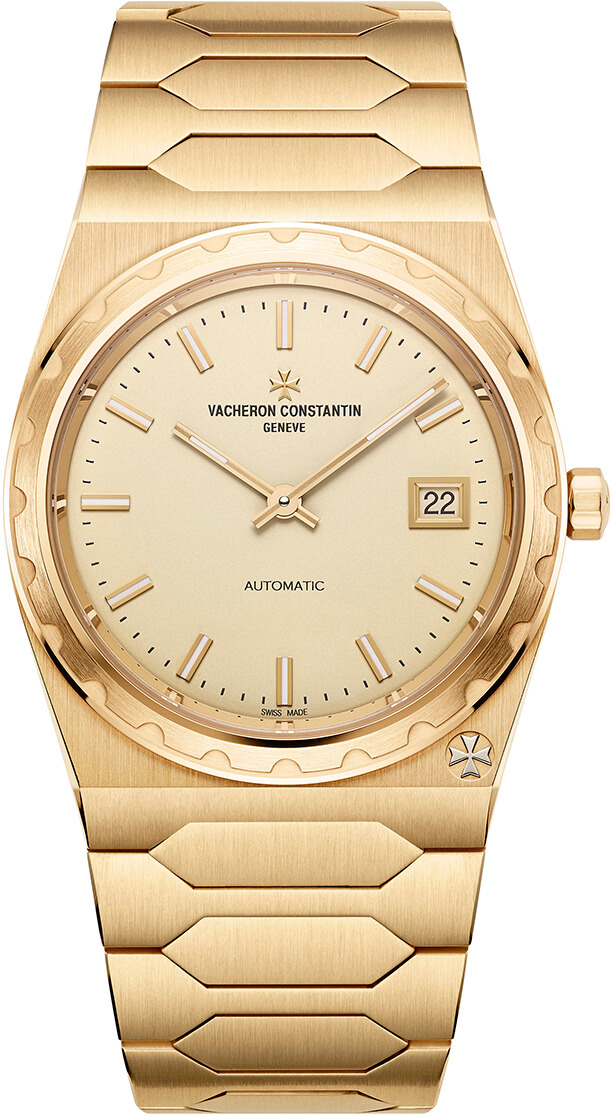
Vacheron Constantin 222
Vacheron Constantin was already a respectable manufacture celebrating its 222nd anniversary in 1977 when it first unveiled the spectacular shape of its now iconic 222 watch.
Designed by Jorg Hysek, the model was an immediate departure from the sports watch conventions of the time, which had mainly been professional models for pilots, divers and explorers, and captured a new cultural mood that blurred the lines between formality and sportiness. As well as marking a break with traditional sports watch characteristics, the 222 was a quintessentially 1970s design and introduced a new stylistic signature to the Maison.
Fitted with an integrated bracelet, its case featured a functional construction with a flat table, topped by a prominent fluted bezel and stamped with a Maltese cross at 5 o’clock. The monobloc case, which required the movement to be fitted from the top, was water-resistant to 120 metres thanks to its screw-down bezel. Displaying the hours, minutes and date, the 222 was also just 7 mm thick, thanks to the ultra-thin Calibre 1120; measuring a mere 3.05 mm, it was the world’s thinnest full-rotor automatic movement.
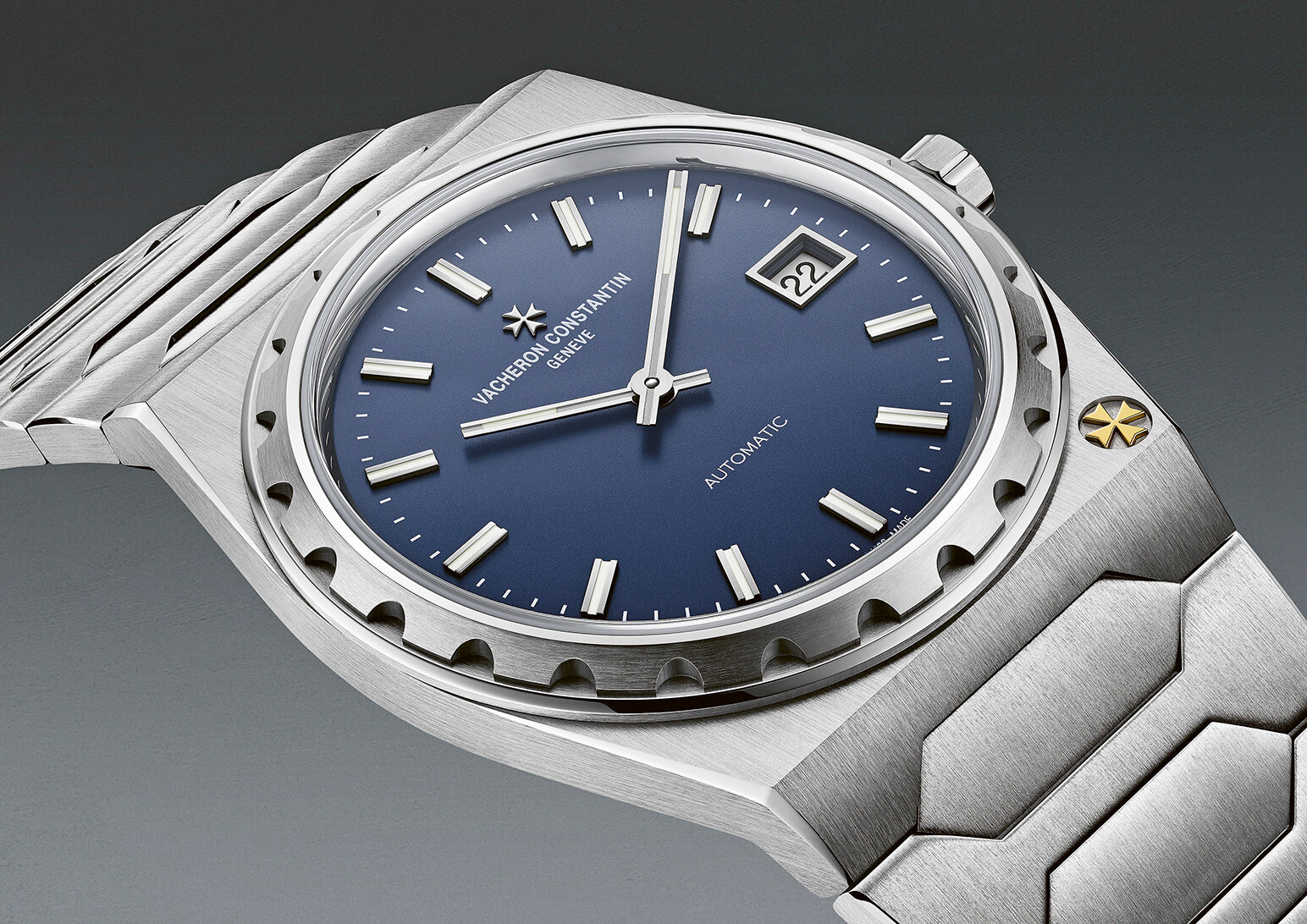
In 2025, Vacheron Constantin presents a new edition of the first 222 model – nicknamed ‘Jumbo’ by collectors and featuring a blue dial framed by a 37 mm stainless steel case. The re-edition benefits from several technical improvements. The joints of the bracelet – which is now fastened with a triple-blade rather than a twin-blade clasp – have been redesigned to hide the visible pins and improve ergonomics. The caseback which bears a signature representing Vacheron Constantin’s 270th anniversary, has been fitted with a transparent sapphire crystal to reveal the in-house Calibre 2455/2. Slightly smaller in diameter than its predecessor, it is still only 3.6 mm thick. The oscillating weight of this high-precision movement is engraved with the original 222 logo and edged with a fluted motif reminiscent of the bezel. Thanks to its frequency of 4 Hz (28,800 vibrations per hour) – compared with 2.75 Hz on the original model – the movement offers enhanced precision and is endowed with a 40-hour power reserve.
On the dial, the date window has been moved towards the centre so that it no longer encroaches on the minutes track. The vintage font of the “AUTOMATIC” inscription and the Super-LumiNova® coating of the hands and hour-markers (off-white by day and lime green by night) are a nod to the hue of the tritium used in historical timepieces.
While retaining the distinctive design – along with the nostalgic charm – of the original, the 2025 re-edition in stainless steel is absolutely contemporary, embodying the Maison’s core values with sophisticated refinement, a sense of casual ease and uncompromising commitment to the quest for excellence.

Rolex Cosmograph Daytona
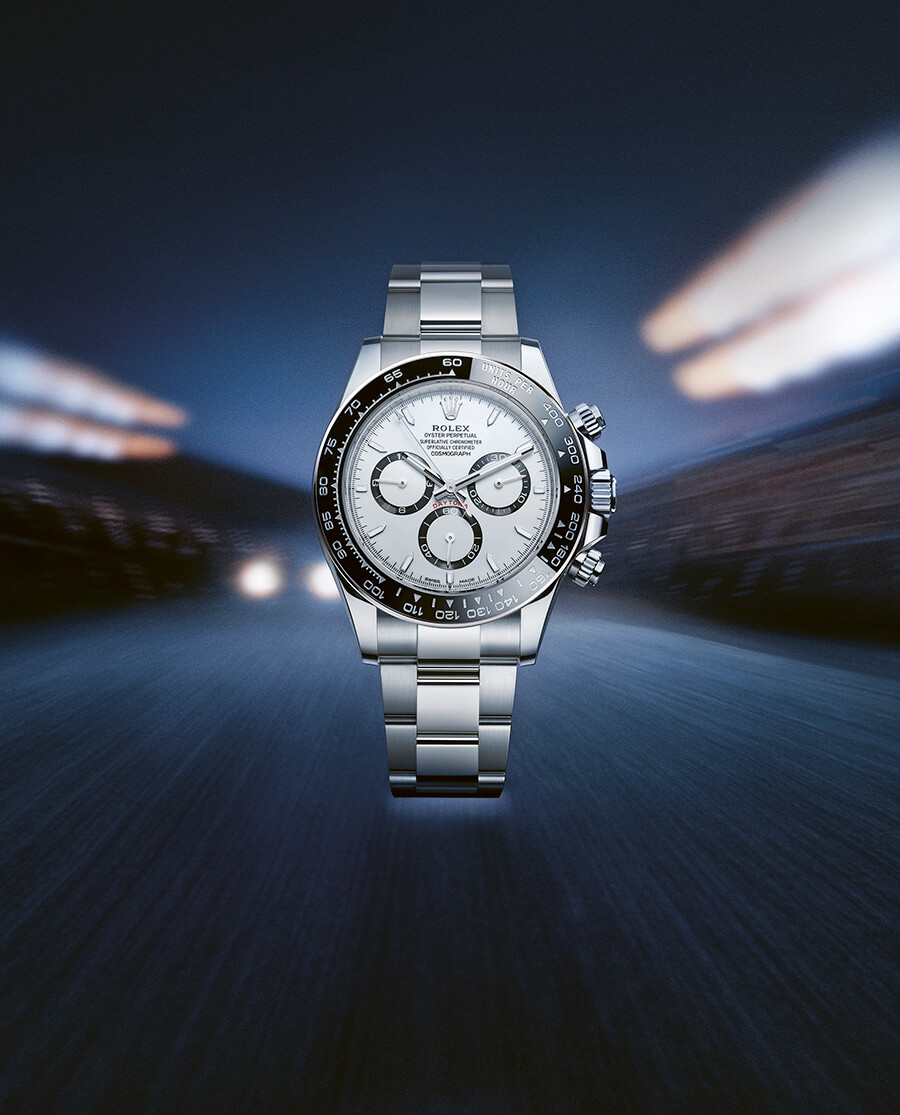
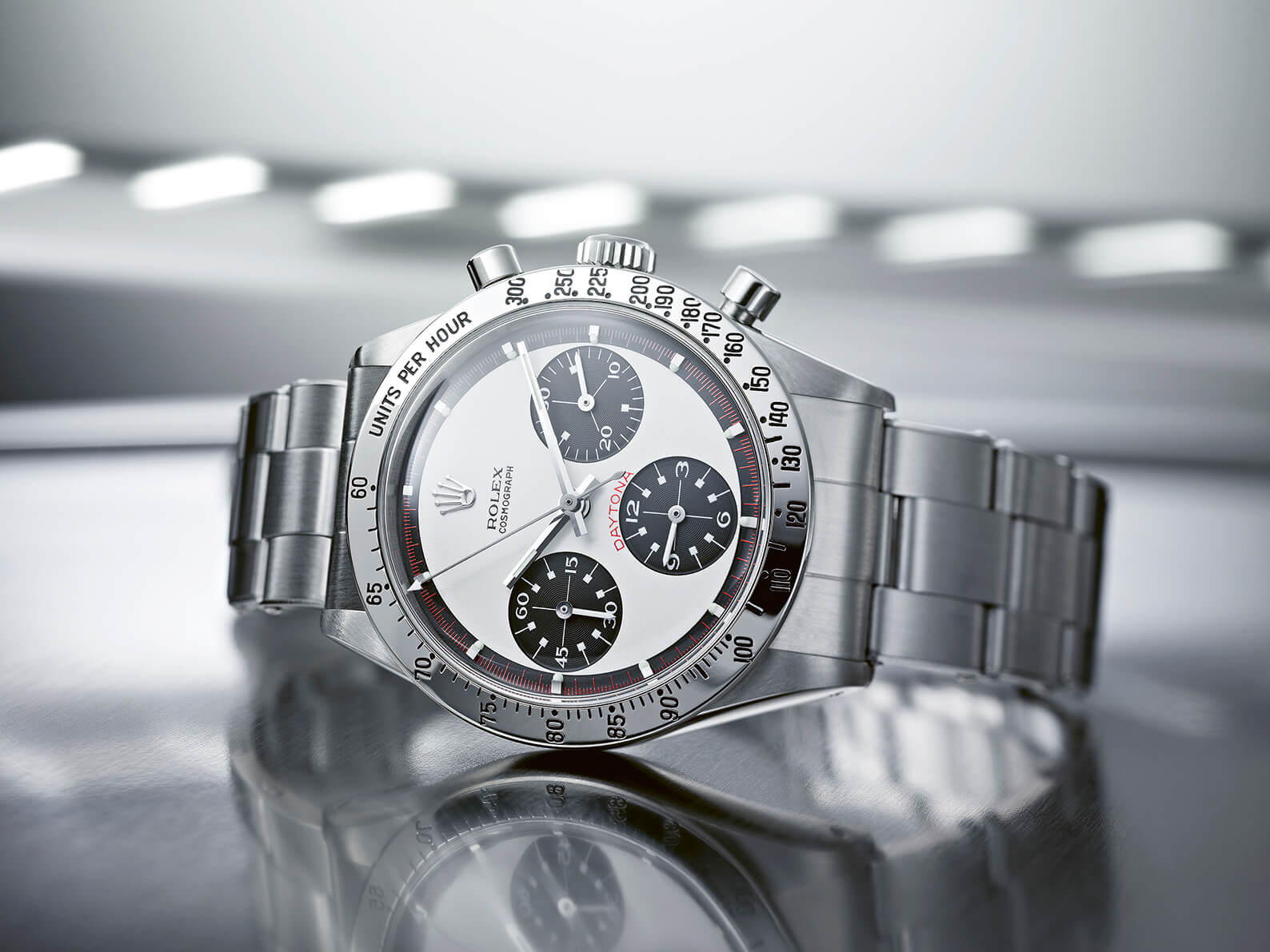
Rolex Daytona, or the Oyster Perpetual Cosmograph Daytona as the watch is officially named, was created in 1963 and it became the symbol of motorsports emotion thanks to its reliability and performance.
Daytona, Florida, may be considered the birthplace of speed as motor racing took place here from 1903. The straight beach and its sand packed as hard as cement makes it one of the perfect places to test the highest speeds and it naturally attracted the most courageous drivers from the beginning of the last century.
After Daytona was left by the speed records seekers who moved to the seat flat in Utah, more races took place on the hard sand beach. An oval track has been arranged, with half on the beach and half on a narrow road parallel to the ocean. In 1959, as the sand was deteriorating, the hard-surface racetrack known as the Daytona International Speedway was inaugurated. It was the fastest racing circuit in the US and one of the fastest in the world.
The international status would be given later in 1962 when the first 24 hours endurance race would be held under the name of Daytona Continental. One year later, the Rolex Cosmograph Daytona was being launched and from that point the race and the watch become linked for the following years until now. From the first editions, the winners received a Rolex watch so when Cosmograph was presented as designed for racing drivers, it became the best prize any motorsport fan could wish for. And not long after the launch, Rolex decided to name the model Cosmograph Daytona.
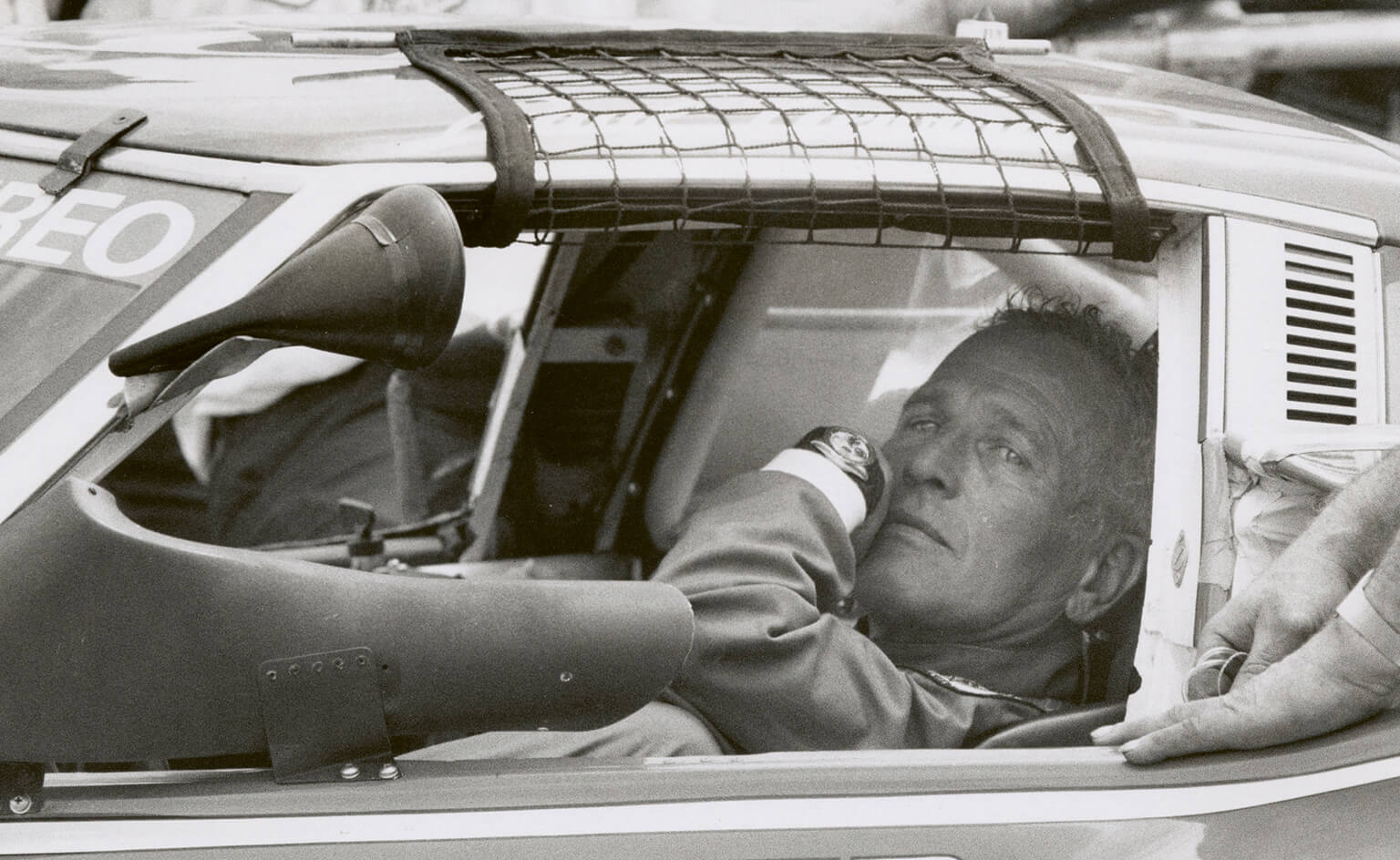
Further versions of the dial followed the initial launch of the Cosmograph, of which the most famous would become the so-called “Paul Newman” dial, since the American actor who was also a racing driver was always seen wearing this type of Rolex while at Daytona.
Omega Speedmaster Moonwatch
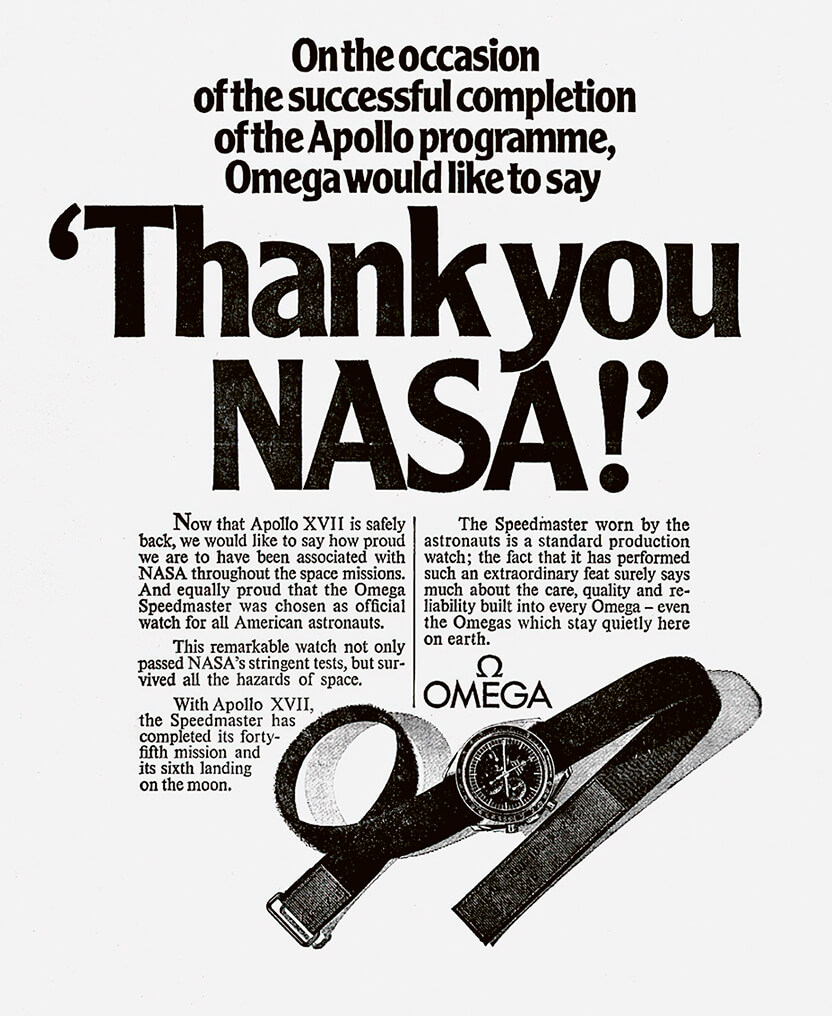
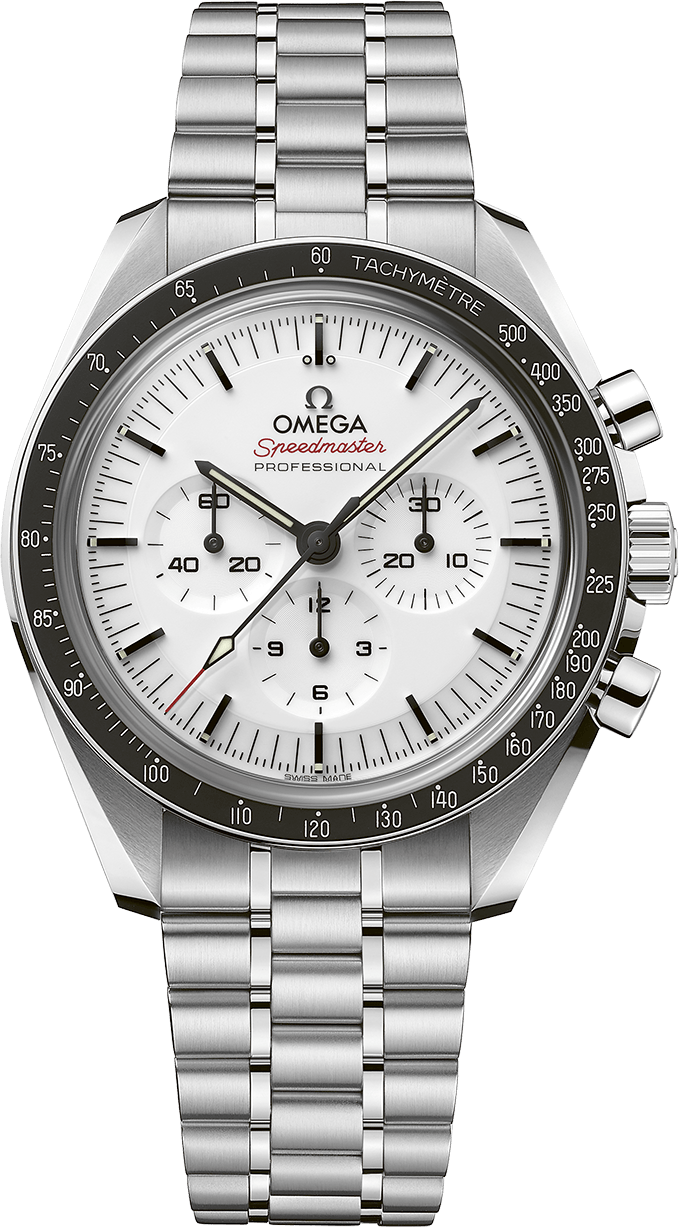
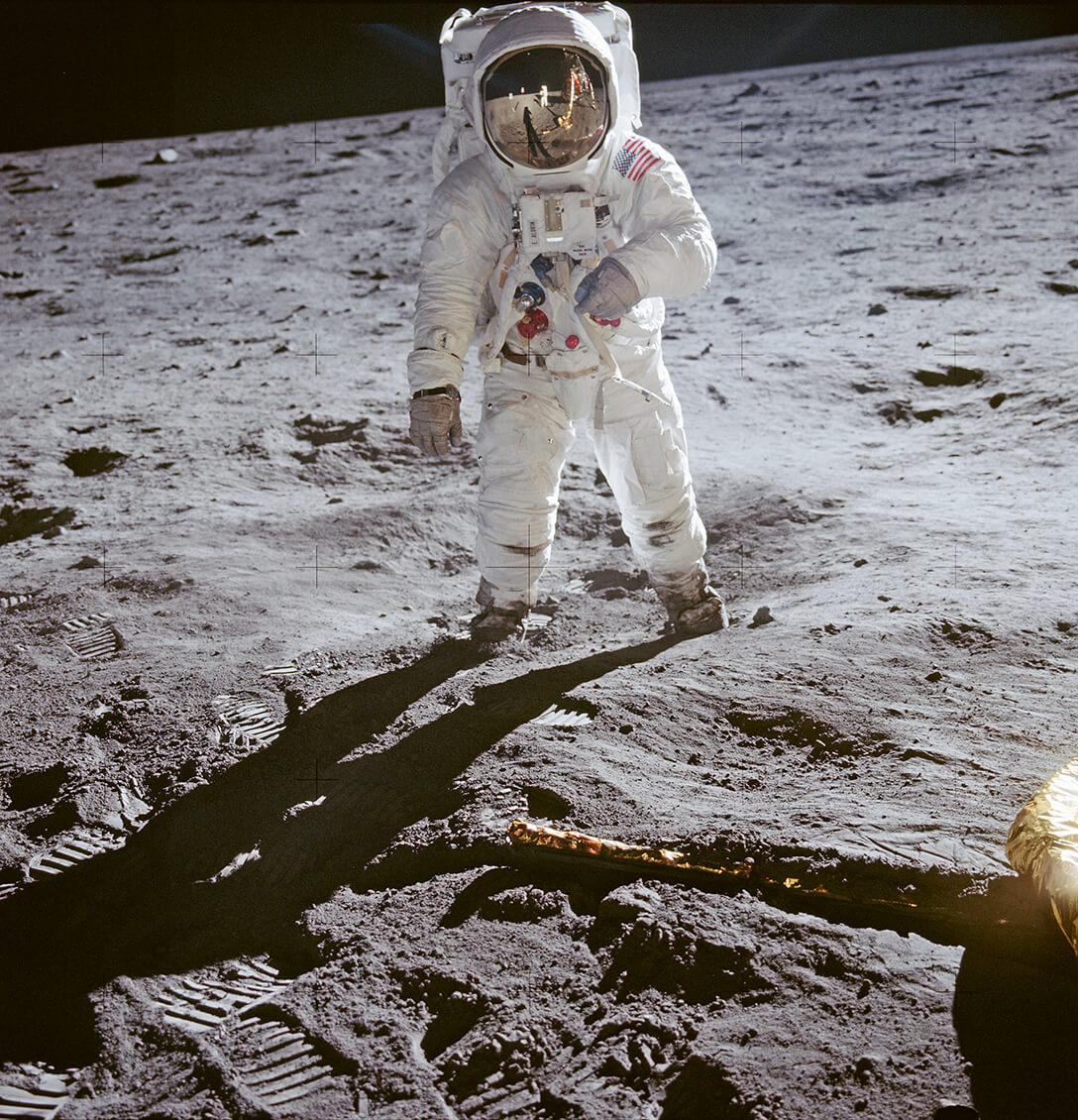
Strapped to the equipment of the astronauts writing the world’s history, Omega Speedmaster Professional became the first watch worn on the moon. 50 years ago, on the 21st of July 1969, at 2:56 UTC. The Apollo 11 Mission remains the time to consecrate the story of Omega Speedmaster forever. The model had been launched since 1957 and given the strength of the construction it was already known among US Air Force pilots. Moreover, in 1962, the watch had reached Earth’s orbit as a personal object of one of the astronauts. Just that, only after the selection and testing by NASA, Speedmaster was officially declared ”Flight Qualified for all Manned Space Missions” on the 1st of March 1965.
Omega continued to stay true to its philosophy and maintained the model in production during all the years that followed until our days. Therefore, out of all the watches that enjoy the fame of being iconic, there is only one that can claim to have landed on the Moon and moreover still an important member of Omega’s current collection.
Piaget Polo 79
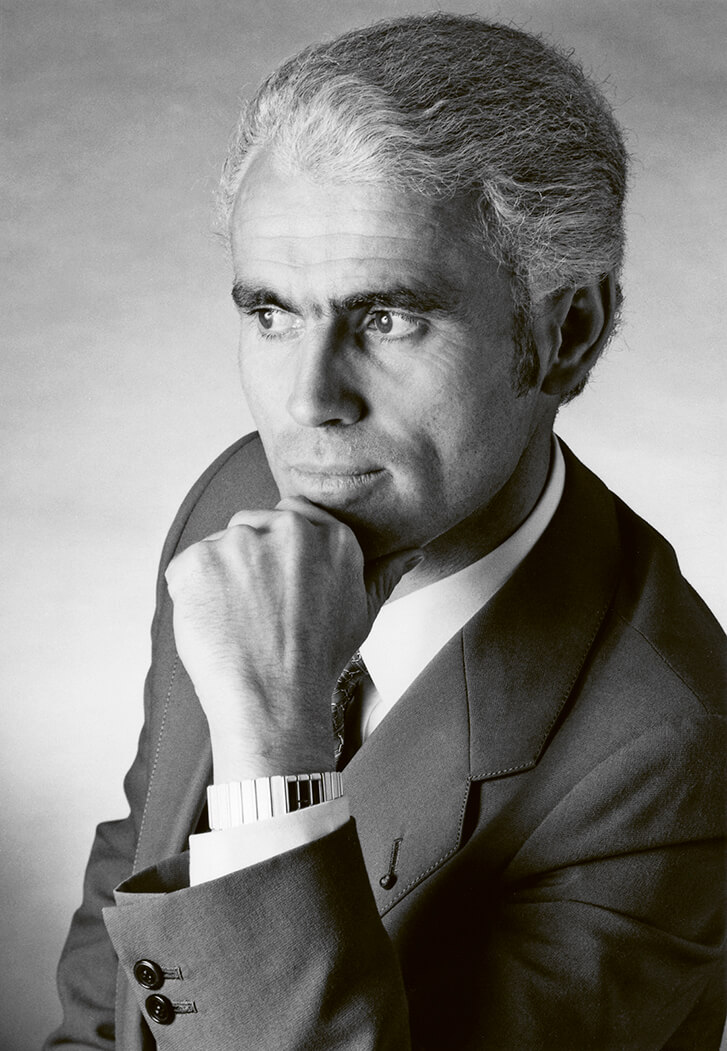
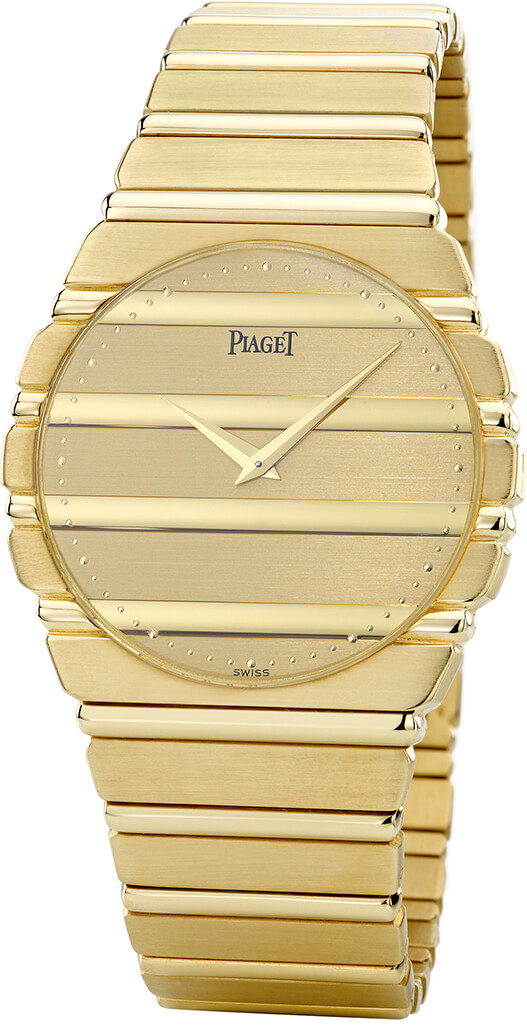
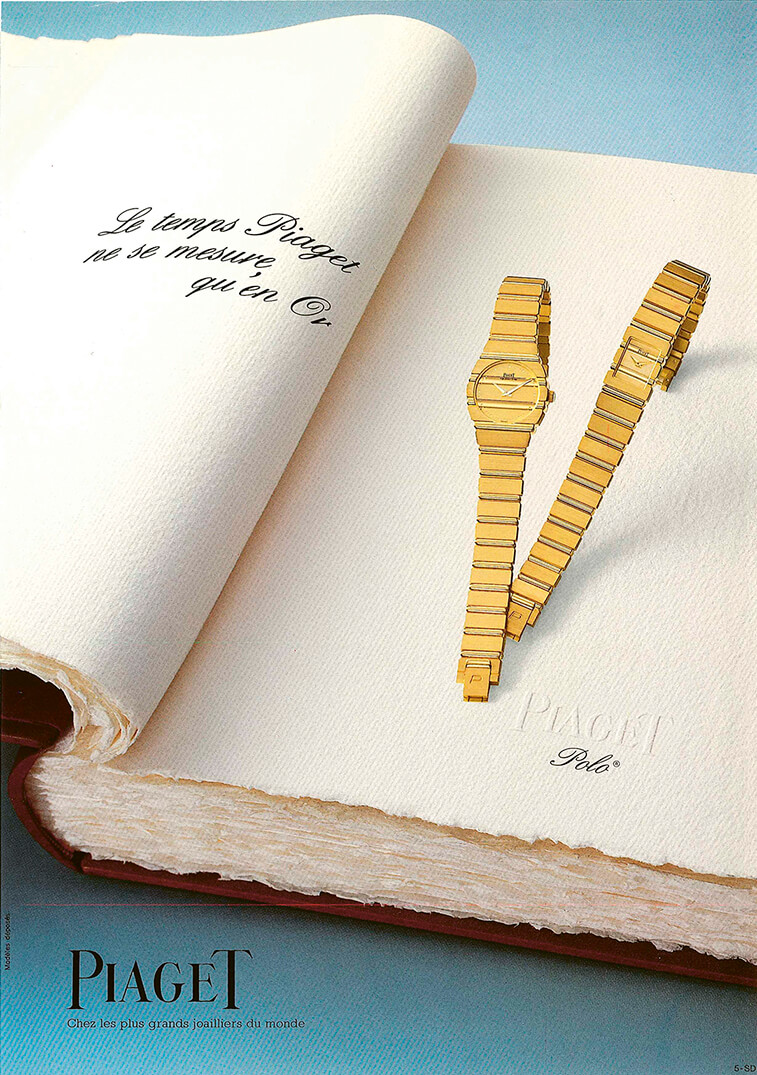
Advertised as ‘the world’s ultimate sportswatch’, the Piaget Polo – originally launched in 1979 – was as revolutionary as it was chic. Its profile on the wrist was guaranteed by Piaget’s mastery of ultra-thin movements both mechanical and quartz. “We really had to answer to this particular demand of our customers who are used to getting just dress watches.” explained Yves Piaget at the time. ‘But now our customers like to do more and more sports. That’s part of the evolution of our lives today. They want to be exquisite, even in sport… So we created this sport line which is waterproof, shockproof.”
45 years after its first appearance, the iconic yellow gold timepiece was reborn as Piaget Polo ’79.
Cartier Santos Dumont
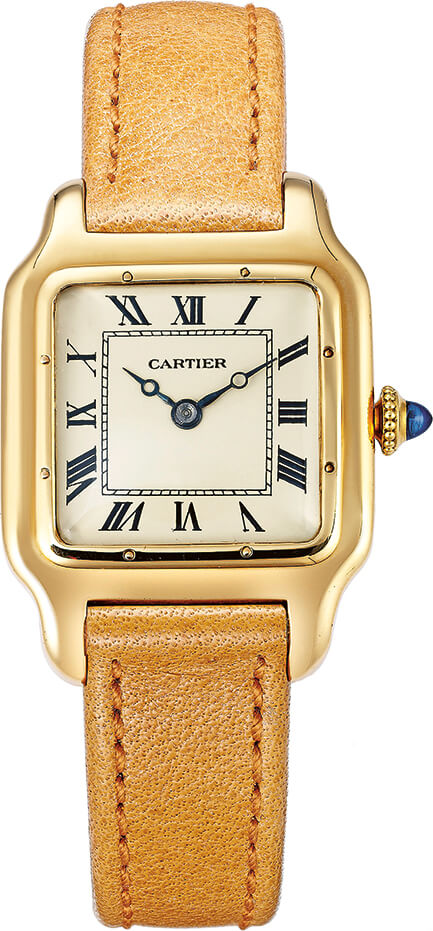
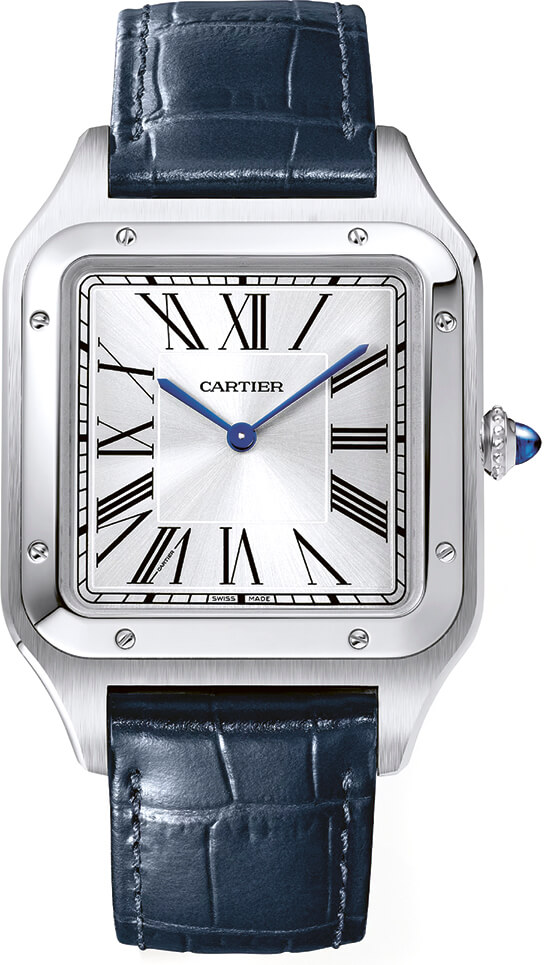
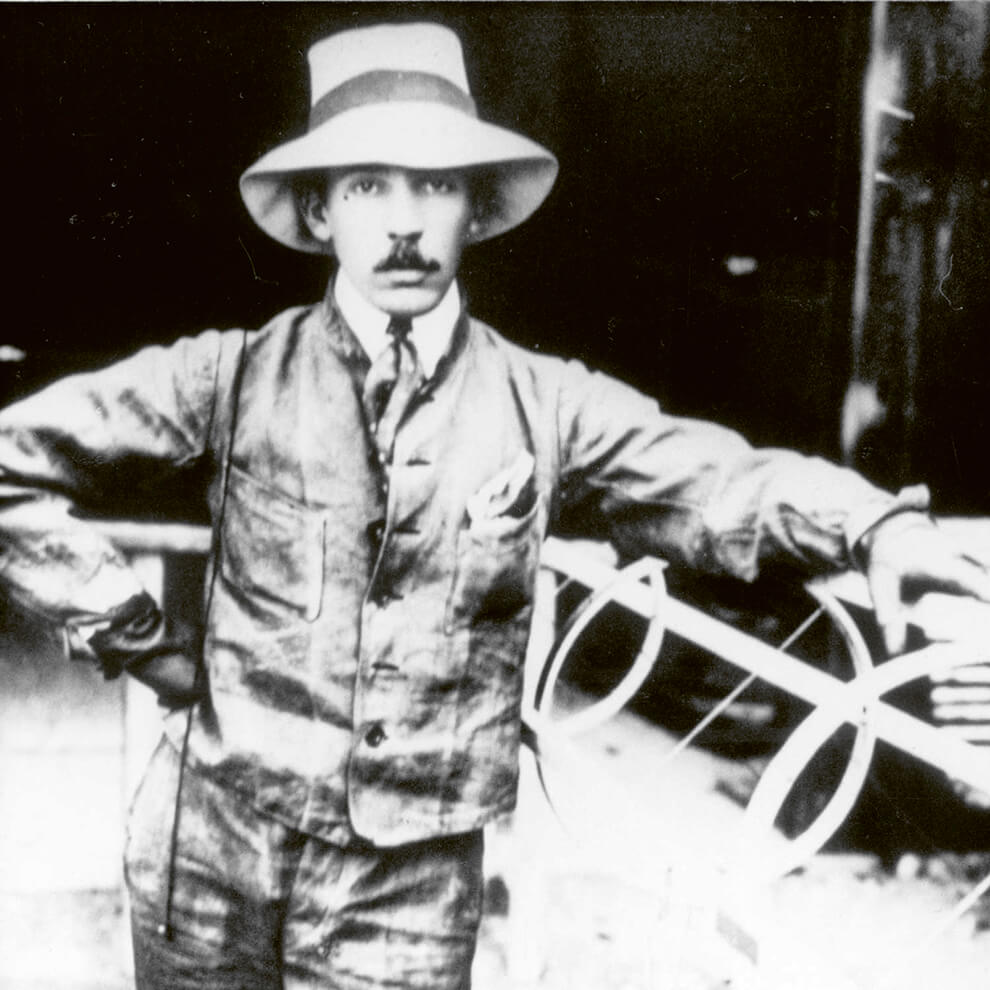
Maybe Santos sounds now like a second word to Cartier in the world of watches but it wasn’t like this one century ago. Albert Dumos Santos was a famous Brazilian young bachelor living in Paris and totally in love with the newly developed industries of cars and planes. Due to his passion for driving and flying, Albert wanted a watch to wear on the wrist instead of his pocket. Therefore, he kindly asked his jeweler friend, Louis Cartier, to make him a fashionable time keeping device and in response he received a model with his name. Cartier Santios is an icon still in all trends and fashion and it keeps the DNA of the original concept even if there are a lot of variations of sizes, complications and textures.
Audemars Piguet Royal Oak
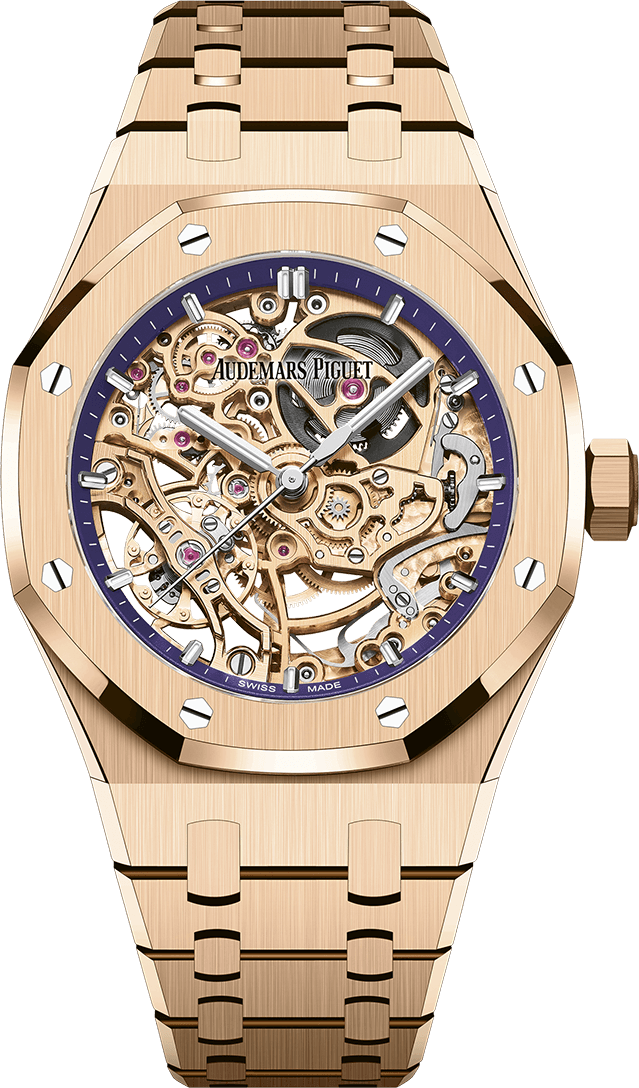
Like any true hero, Royal Oak began his story under the threat of hardship. And as in any good story, he managed to beat them all.
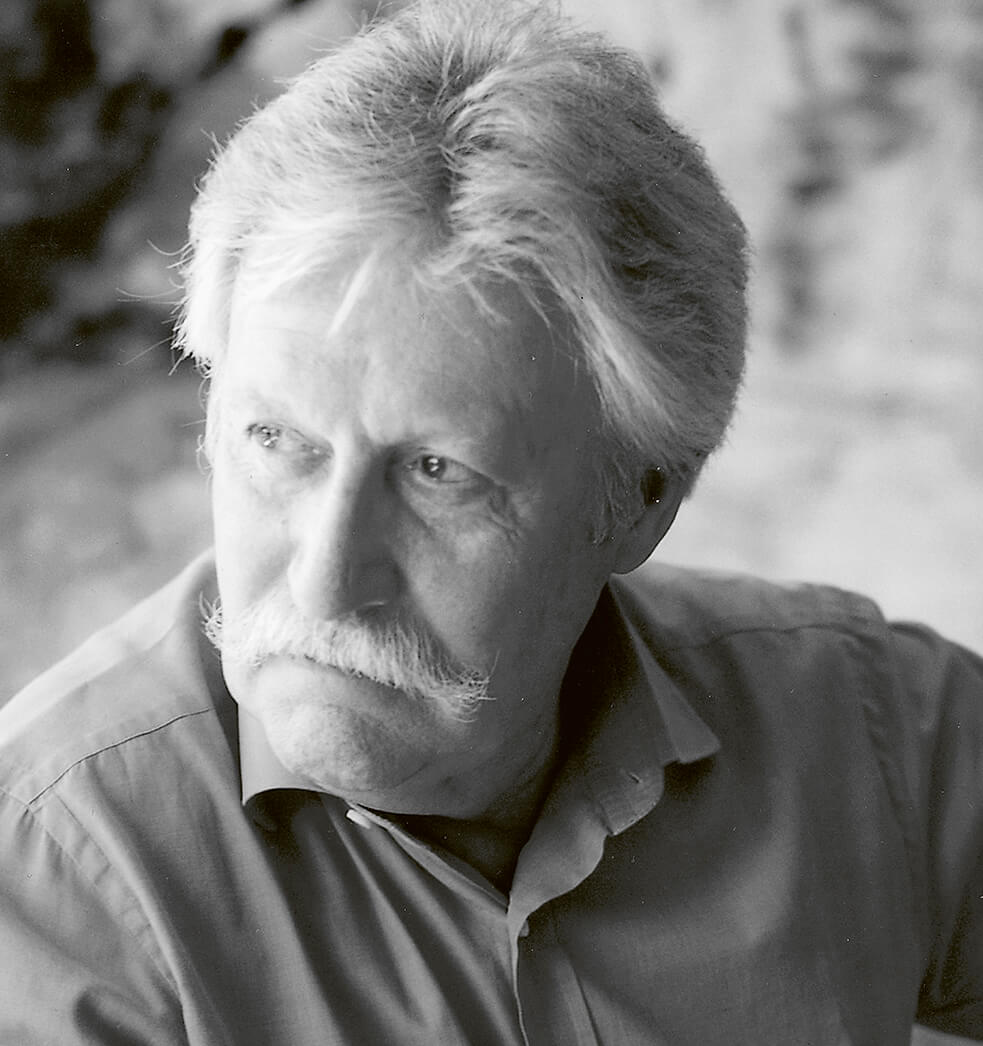
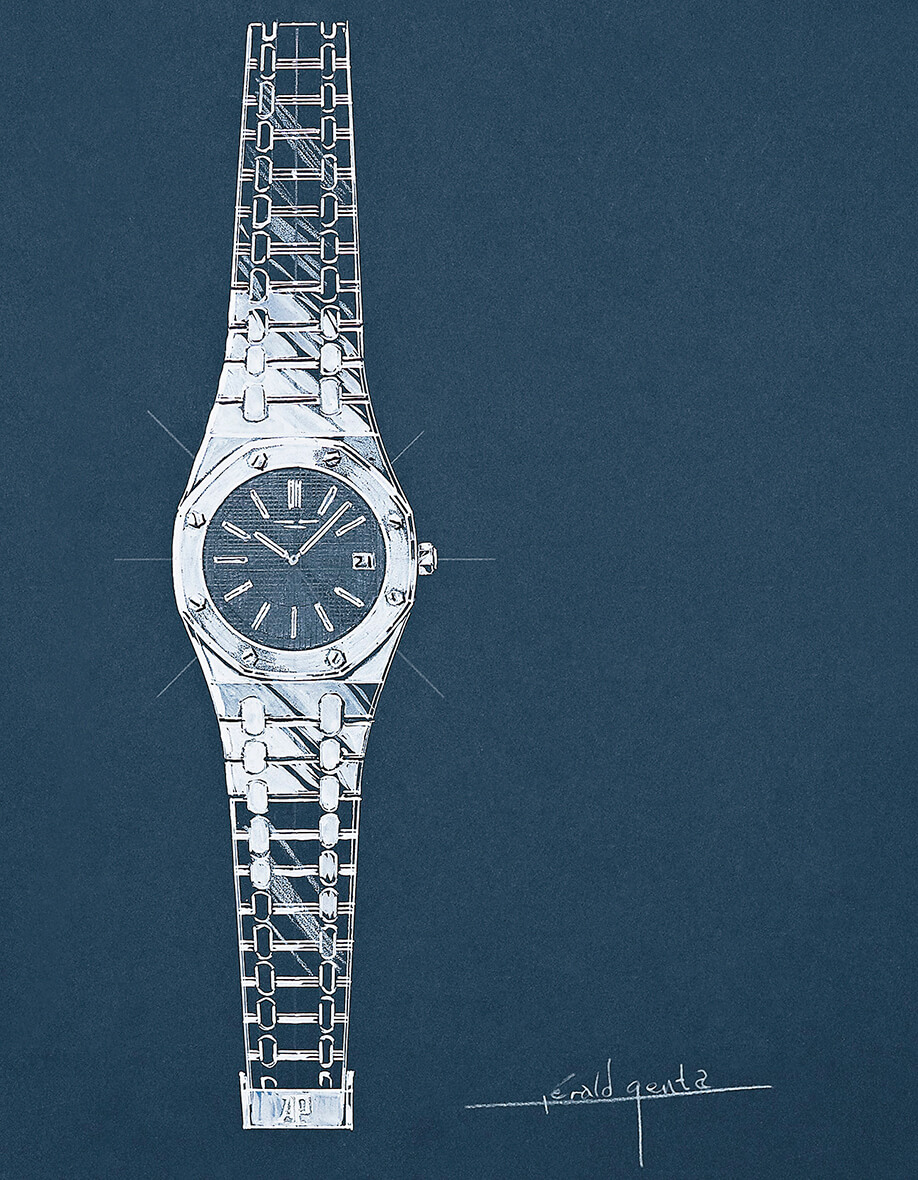
On April 10, 1970, after meeting with the Italian agent, Audemars Piguet President, Georges Golay, called his friend and designer Gerald Genta to give him the details. “One of the distributors asked us to make a completely original sports watch. We need sketches until tomorrow morning. ”At the time of the conversation, the role of watch designer simply did not exist. Almost all the manufacturers worked with a handful of artists and it was not uncommon for several brands to release almost identical models.
The next day at the first hour, Georges Golay presents the project to the sales agents, not without emotions. Success! The model designed by Gérald Genta in one night, makes both the producer and Italians dream of the future.
Patek Philippe Nautilus
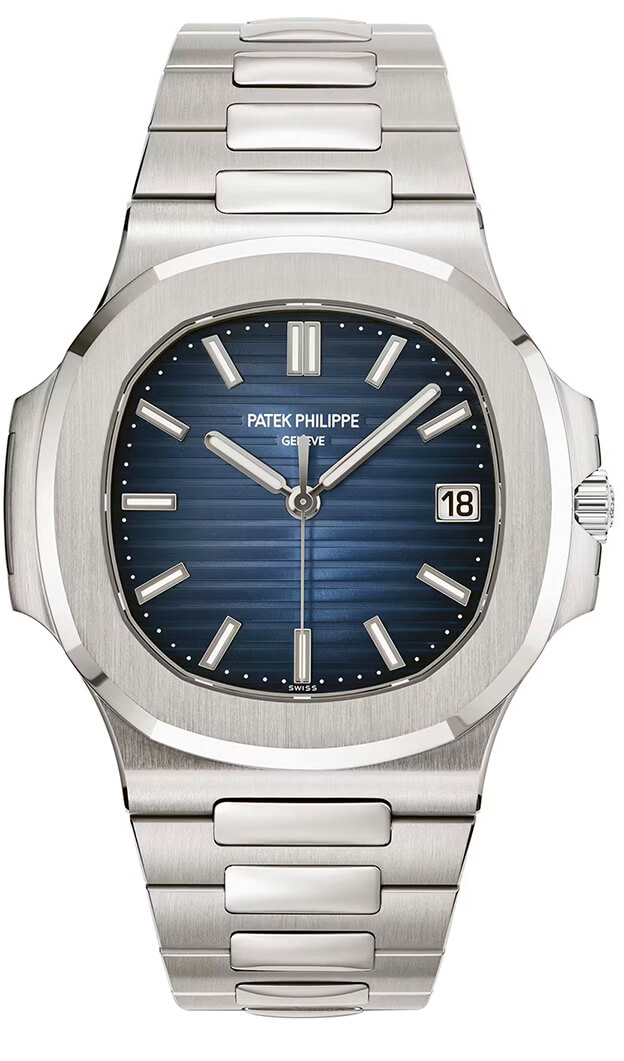
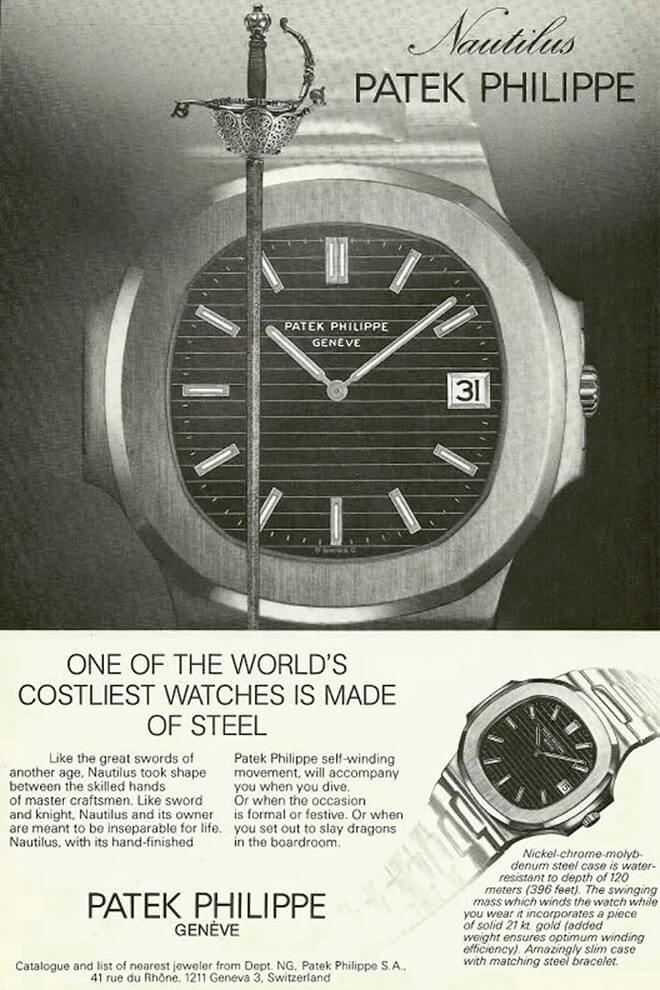
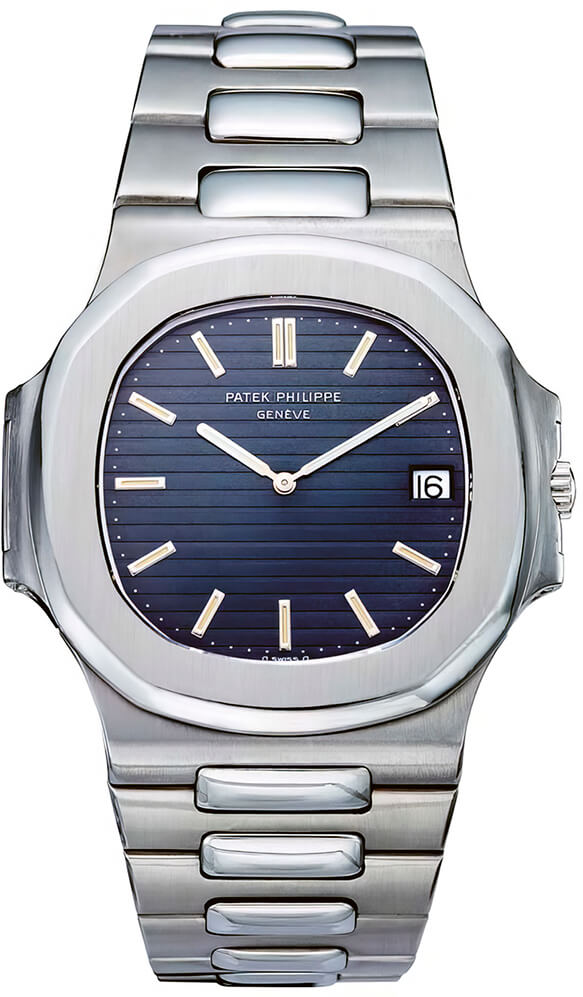
Patek Philippe Nautilus is for sure one of the most sought after iconic watches of the century. Big words but also pure reality as there are only a few style symbols so powerful as to dominate and inspire an entire segment of sports steel watches with integrated bracelet. Kept almost identical for almost 50 years and already three generations – we are now at 5811 – the watch boasts its original shape drawn by brilliant Gerald Genta in 1976, the same designer that imagined the shape of so many iconic watches like the Royak Oak, Pasha de Cartier or IWC Ingenieur SL.
Nautilus was launched as a luxury steel sports watch with an integrated bracelet able to be worn every day and matching an elegant outfit as well as a casual look and it is still the epitome of the elegant but relaxed chic style of the 1970s and the 1980s.
Breitling Navitimer
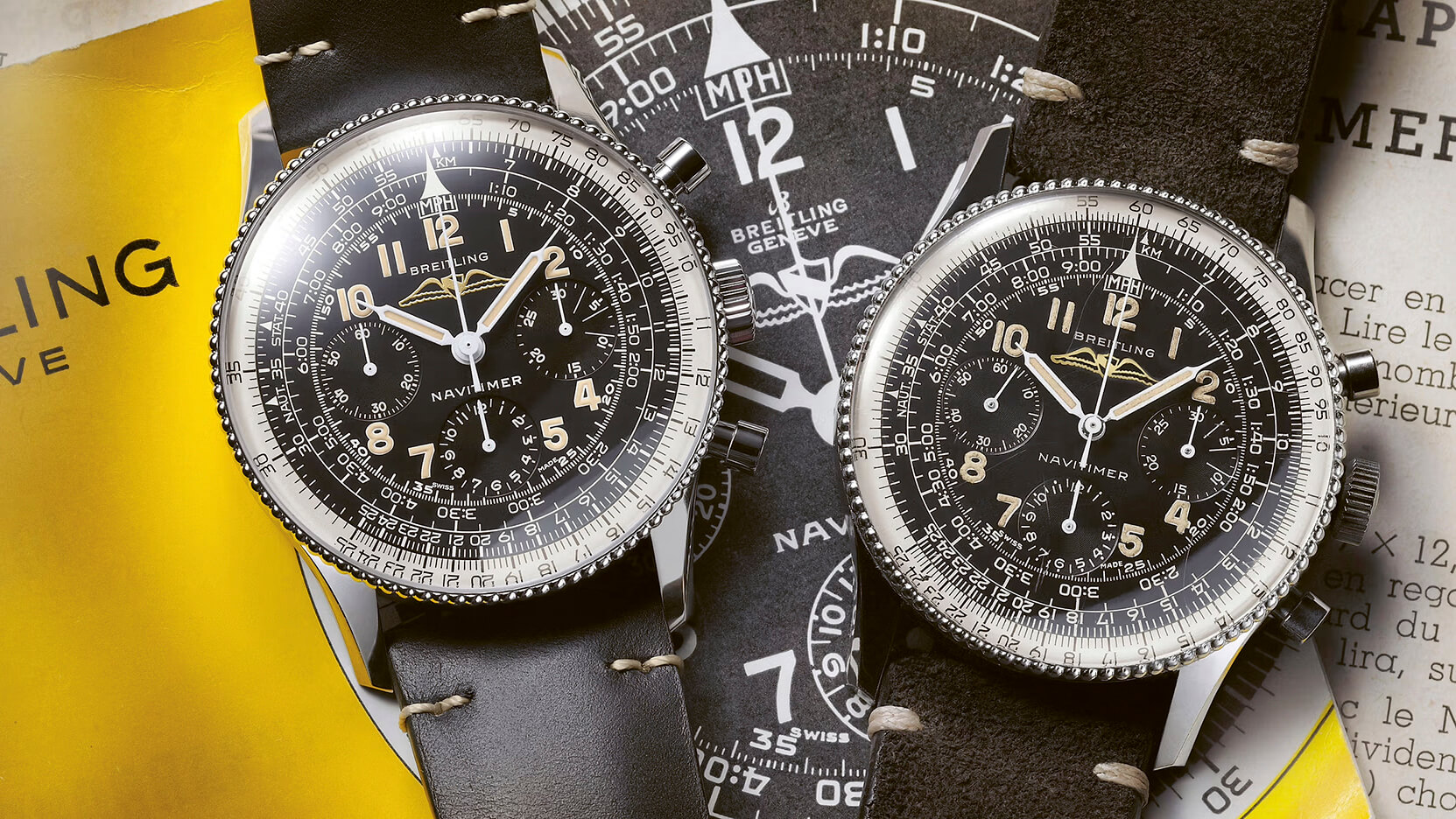
Beloved by celebrities including Miles Davis and Serge Gainsbourg, the Navitimer was designed in 1952 for the Aircraft Owners and Pilots Association (AOPA). It was to become a watch synonymous with the jet age. Known as the first wristwatch flight computer, the circular slide rule could perform all onboard calculations. And while it began as a practical tool-watch for pilots, its influence did not end with aviation. It became a style icon for its original design.
Now the Navitimer comes equipped with Breitling’s first exclusive perpetual calendar chronograph movement, the Caliber B19, released only last year as part of Breitling’s 140th anniversary celebrations. This newest Navitimer features an ice-blue dial, complemented by a platinum bezel, in a 43 mm stainless-steel case, complete with illustrated moonphase at 12 o’clock.

IWC Ingenieur
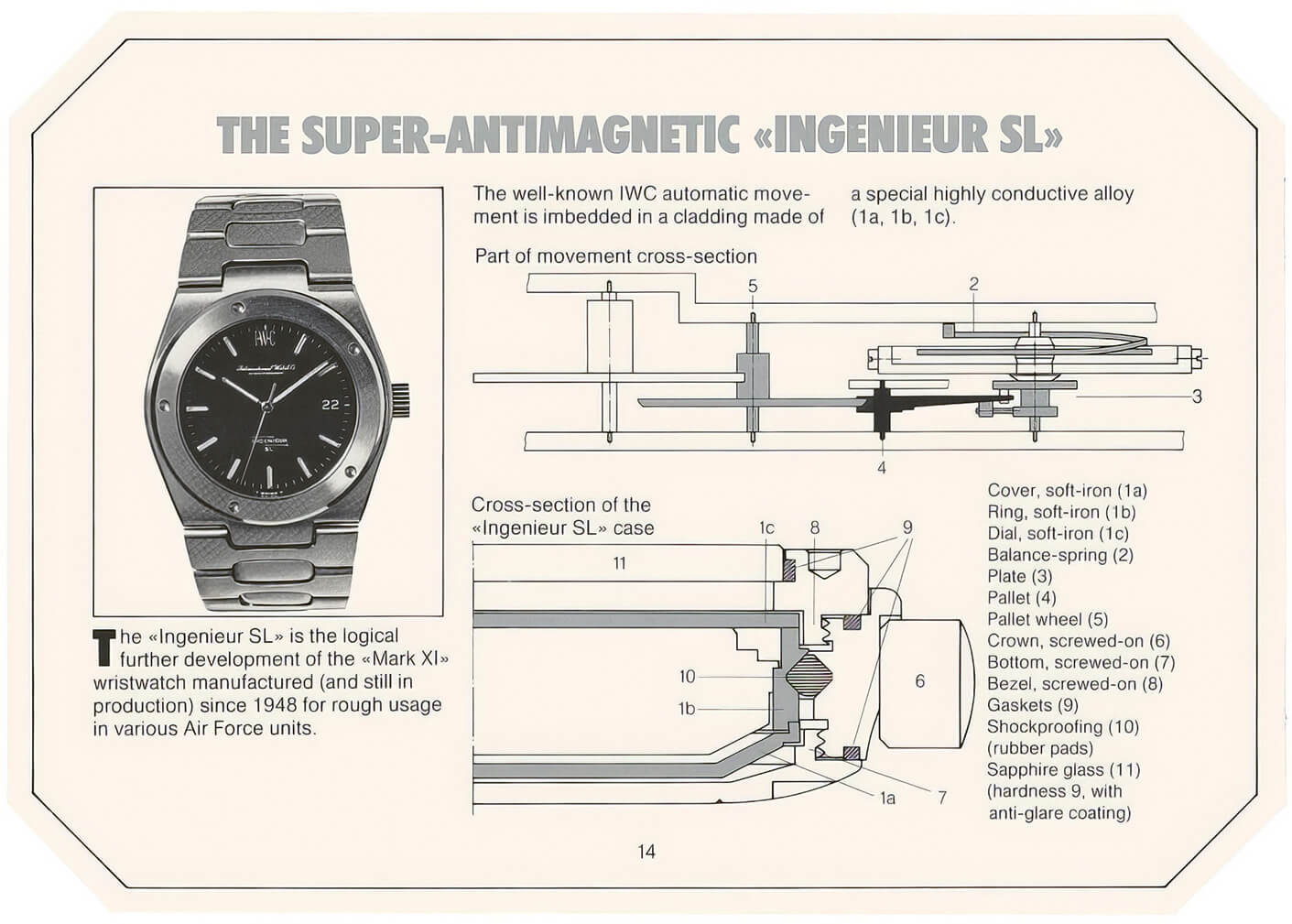
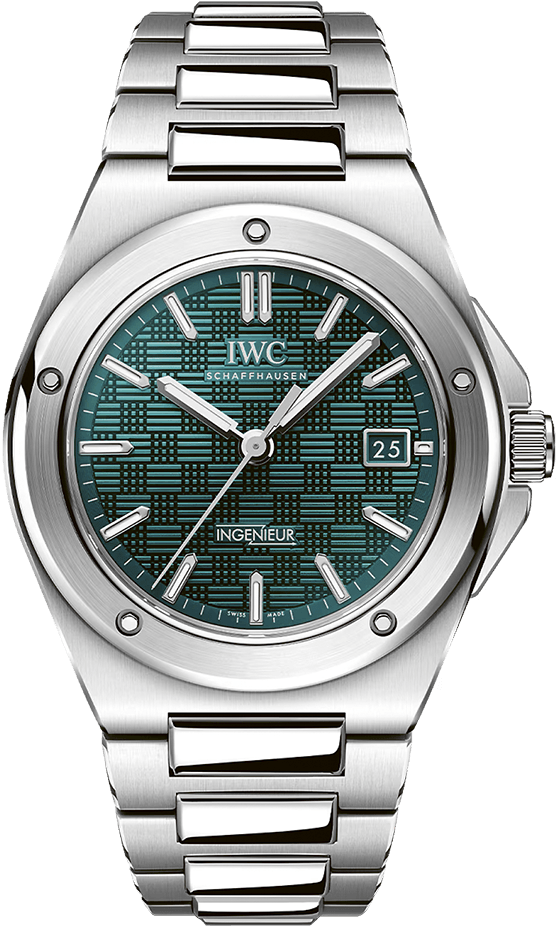
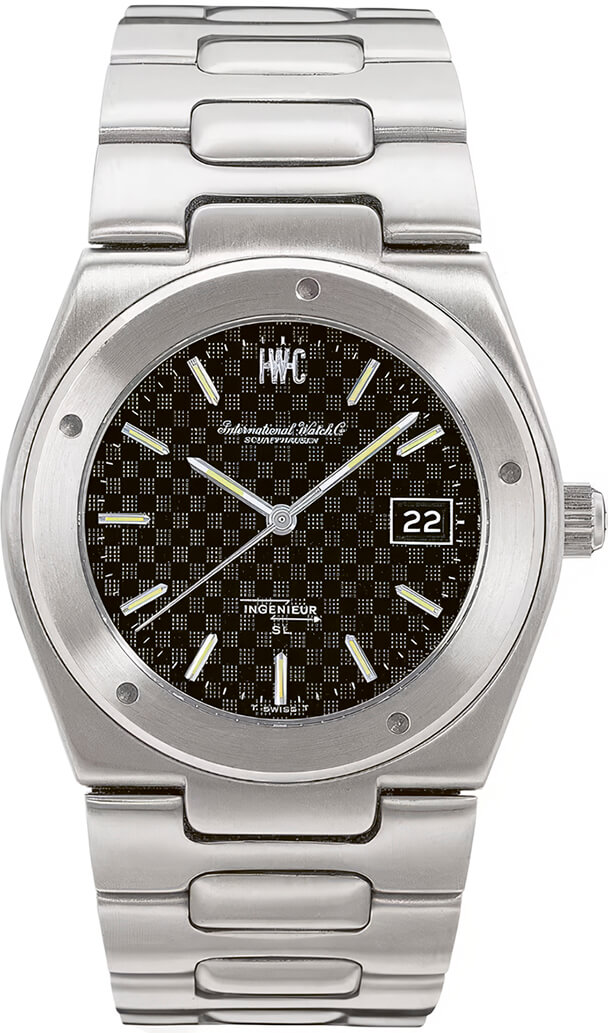
The name of Ingenieur wasn’t new for IWC when Gerald Genta was invited to leave its mark on the collection during the 1970s. It was just that before, the watch was a pure functional object and those years were asking for a stylish and versatile steel model. Gerald Genta worked his magic and this way the Ingenieur SL – reference 1832 – was born.
The concept of launching a modern version of the iconic watch made IWC creative director Christian Knoop decide to actually present an almost identical version with just discreet finishing improvements. The 40-millimetre case and the newly engineered middle-link attachment ensure excellent wearability, even on a slender wrist. The characteristic round bezel is screwed onto the casing ring with five polygonal screws. At work inside the case is the IWC-manufactured 32111 calibre, whose pawl winding system builds up a power reserve of 120 hours.
Jaeger-Lecoultre Reverso
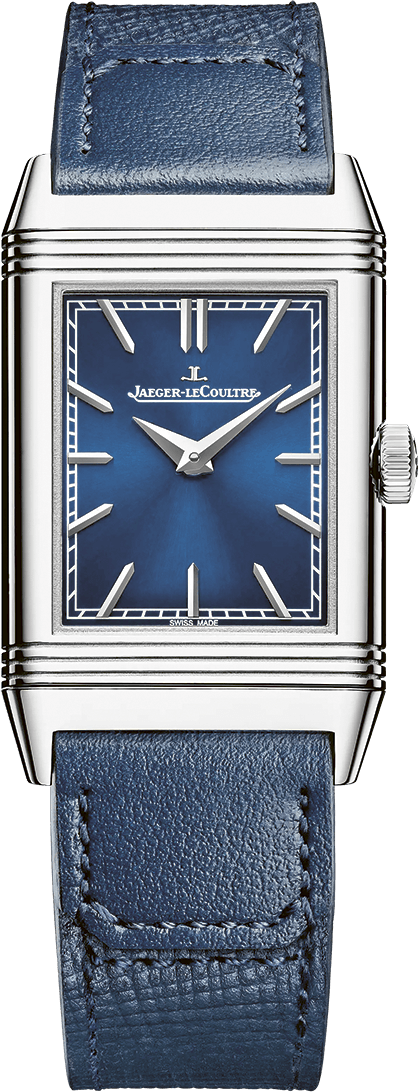
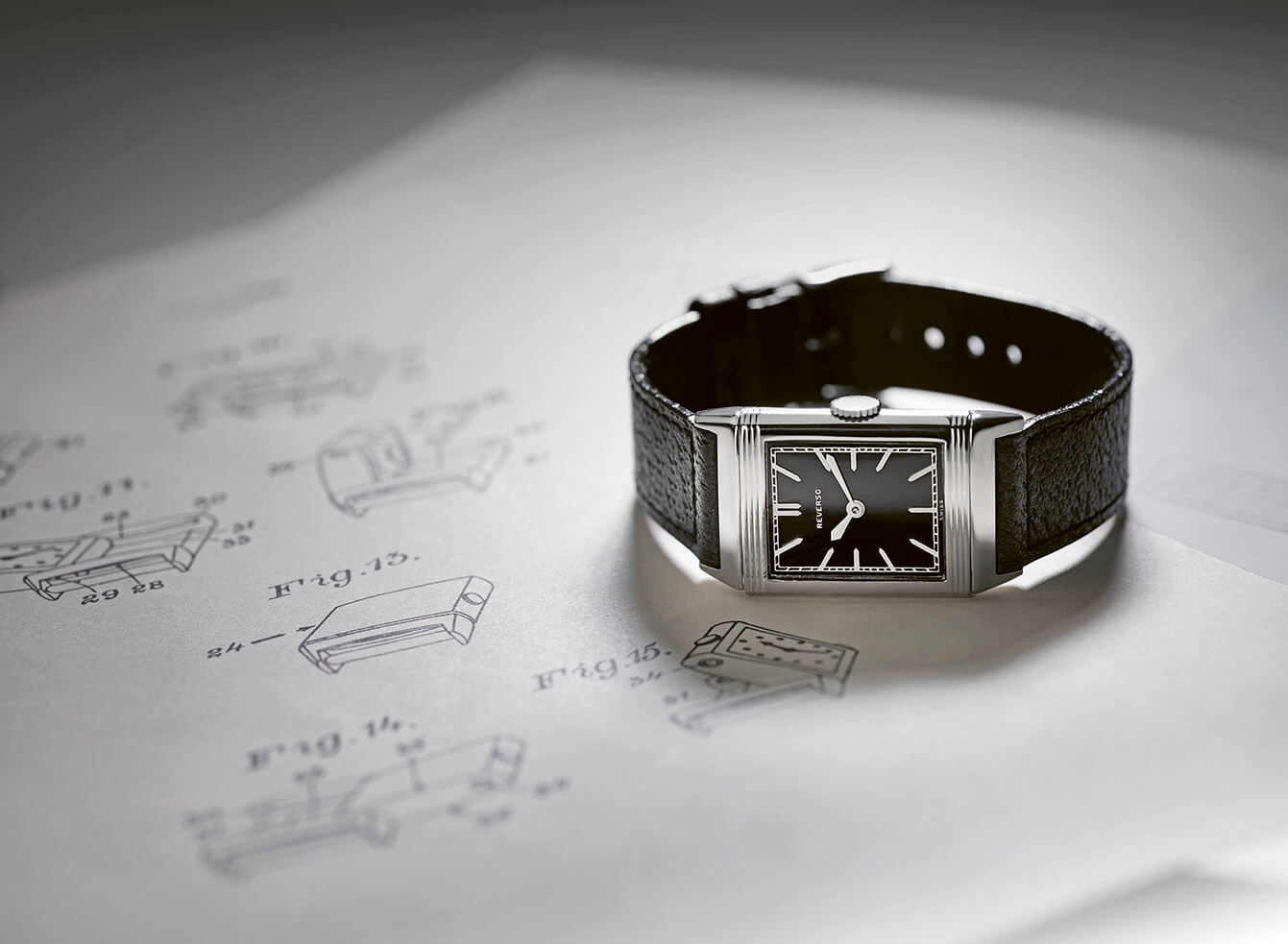
The square shaped watches are in a class of their own and they should be really memorable to enter the select class of Icon Watches. The Reverso imagined by Jaeger-LeCoultre in 1931 was actually a practical solution to the complaints of British polo players who were destroying the glass of their watches during the games. So instead of advising them to play without their watches, the Swiss watchmakers developed a mechanism that allows for the case to flip so that the glass is kept safe from smashes or scratches. During the following decades, Reverso has become a status symbol of elegance for both men and women and is available in different sizes. While the glass technology improved to the level of the high resistant crystal of today, Jaeger LeCoultre developed two faced Reversos who are even more spectacular than the original concept.
Tag Heuer Monaco Chronograph
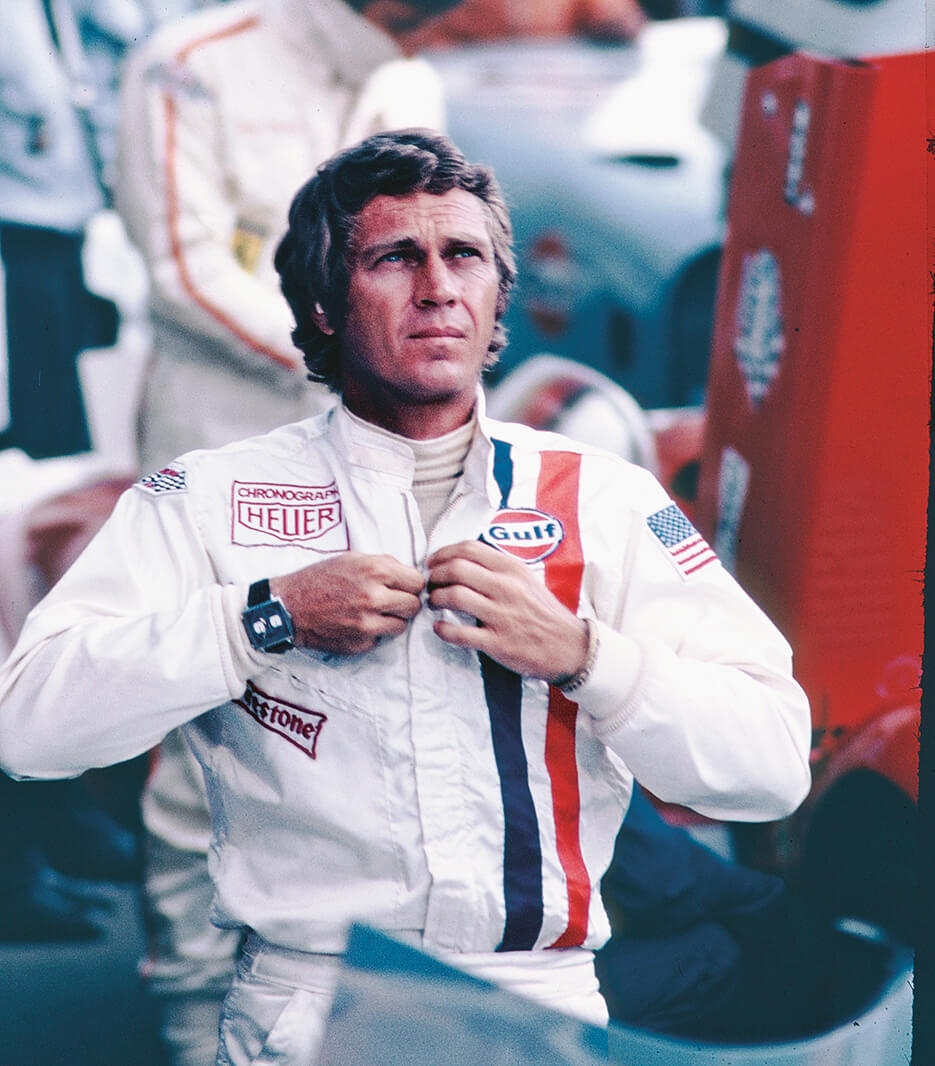
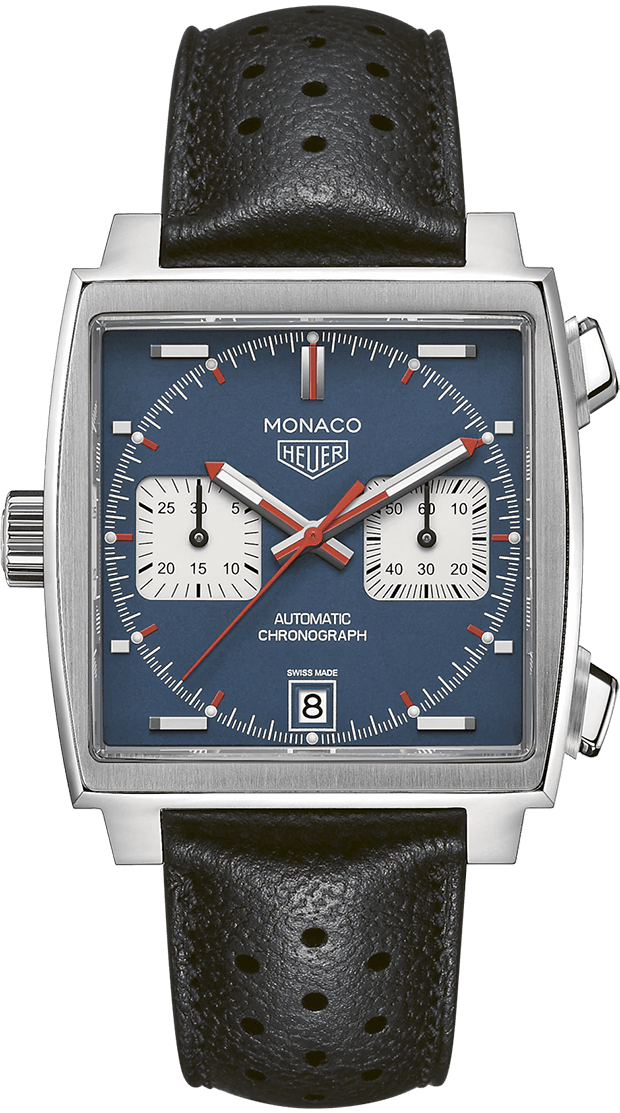
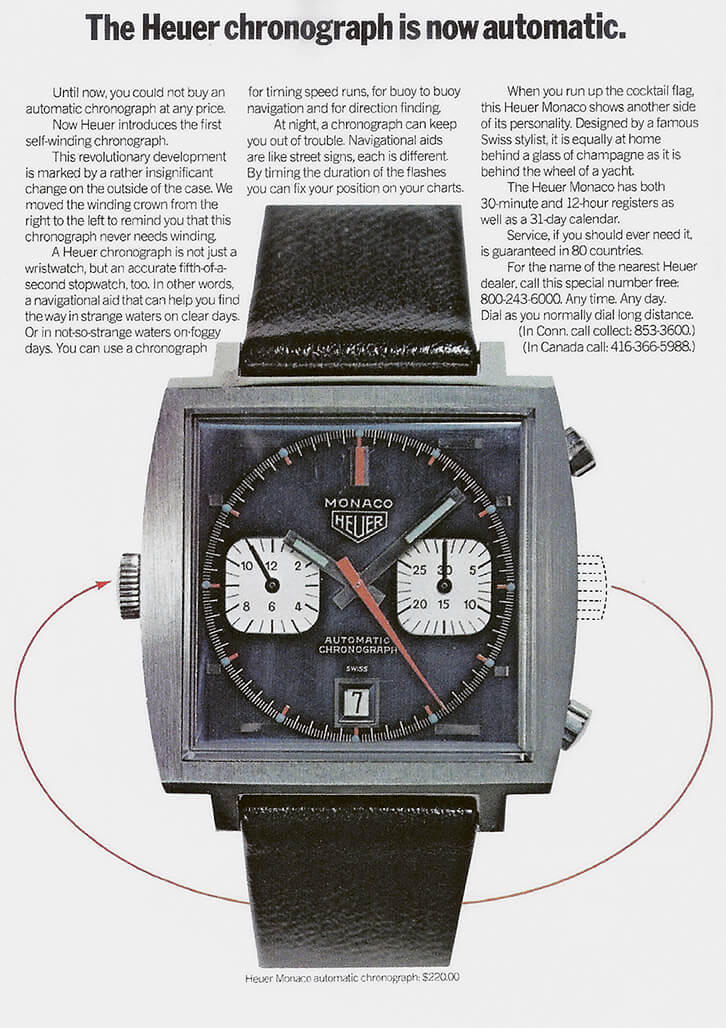
Fame for the Monaco square chronograph comes mainly from the association with the legendary Steve McQueen who proudly wears one in the world time famous 1971 movie Le Mans. Monaco came up as the result of drivers’ expectations being the project of Jack Heuer himself, the great grandson of the TAG Heuer founder. Jack was a passionate driver so he spent a lot of time around the track in the 1970’ but he also understood the need of style and therefore he came up with the unique blue theme for the design that still looks amazing in our times. TAG Heuer continues to have the Monaco in the current collection and I believe it will as it looks like the watch to make you effortlessly stand out.
You may also like
Collectors Watch Club Saudi Arabia: A Sea of Passion
Saudi Arabia presents itself to the world as a collection of feelings and stories that you have to feel in…
Laurențiu Lupușor – General Manager, Baumit Romania
In watchmaking, the passage of time takes shape through perfect mechanisms. In construction, infinite time gains meaning through beautiful, lasting…
Lorenzo Giannuzzi: A Visionary Leader in High-End Hospitality with a Commitment to Social Responsibility
In an era where global tourism faces the challenges of overtourism, the need for a new, more conscious paradigm of…
WATCHES AND WONDERS The Watchmaking Capital of The World
Internet and social media have changed the way people interact but the world of watches is still fueled by human…